ENVIRONMENT AND LOCATION
Does the project affect a protected ecosystem such as the Ramsar lagoon system?
No. The project was evaluated and authorised by SEMARNAT under strict technical criteria. Ramsar designation recognises ecological importance but does not prohibit productive activities. In fact, other economic activities already operate in the area.
Is the project located within a protected natural area?
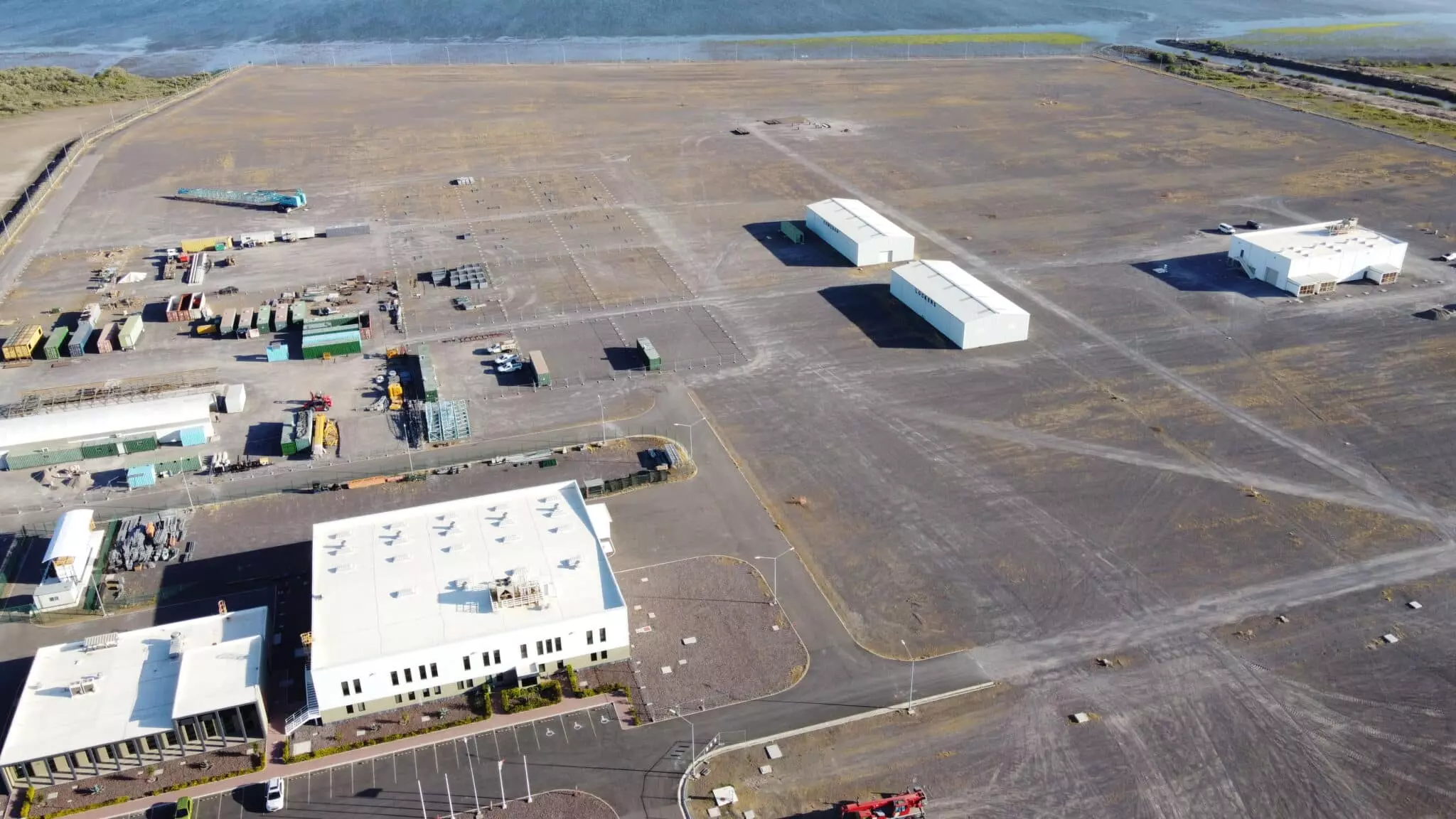
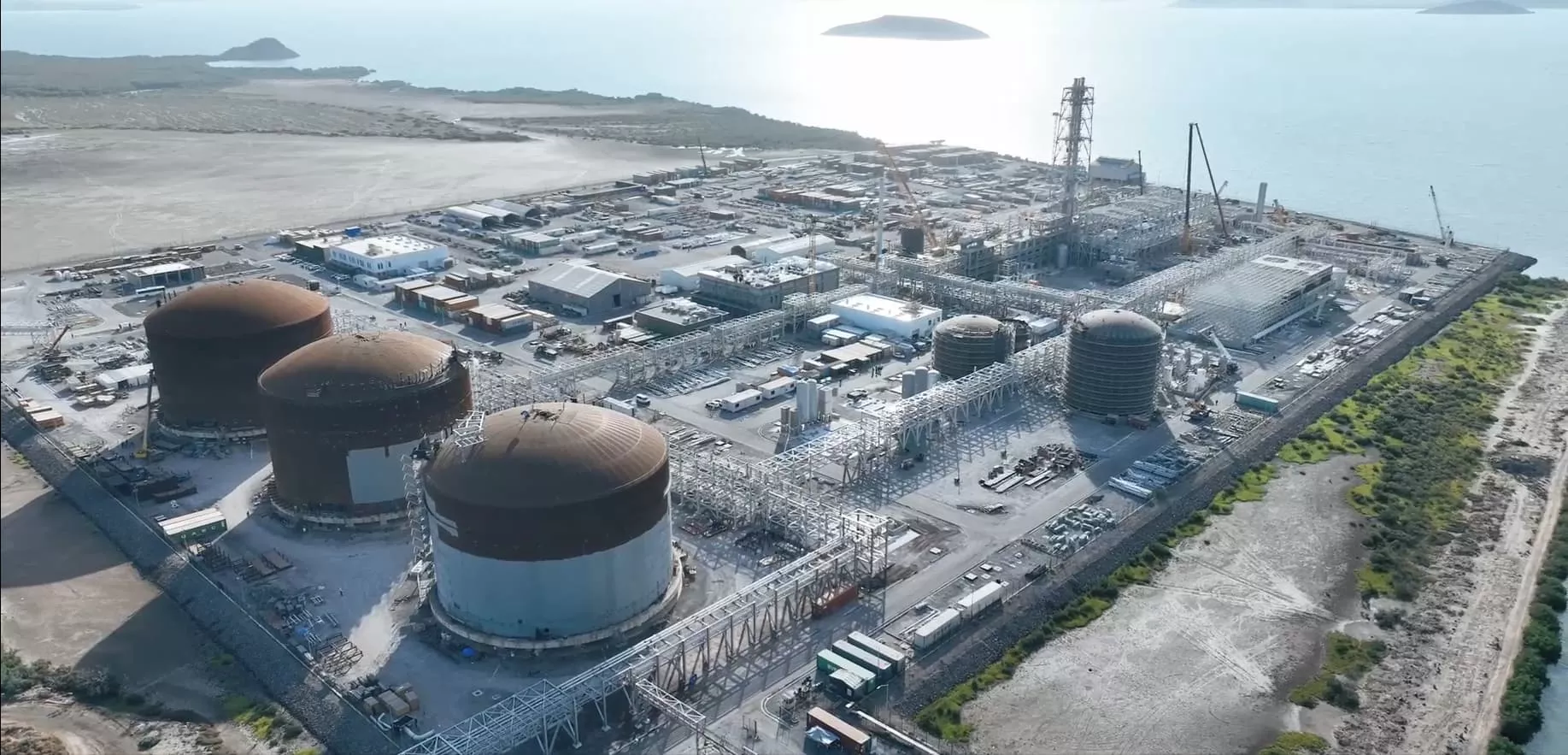
No. The project borders areas of environmental value but is not located within protected natural areas. It is important to distinguish that certain islands are protected, not the bays where the project is being developed.
Does the project contribute to climate change or its mitigation?
It is designed under sustainability principles and contributes to mitigation. It includes mangrove conservation — which can capture up to ten times more carbon than terrestrial forests — and environmental programmes supervised by authorities.
WATER, POLLUTION AND BIODIVERSITY
Will the project contaminate Ohuira Bay?
No. It includes a wastewater treatment system ensuring that all discharges comply with environmental standards. It also contributes to avoiding further deterioration of pre-existing conditions in the area.
Did the bay already face environmental challenges prior to the project?
Yes. There are historical sources of contamination from urban wastewater, agricultural runoff and existing industrial infrastructure. The project incorporates controls to prevent any additional impact and contribute to improvement.
Will the project damage mangroves or wetlands?
No. There are no mangroves at the project site. In addition, natural hydrological flow has not been altered, as the engineering design allows water circulation and ecosystem balance.
Will fishing or marine species be affected?
No. The project incorporates scientifically based technologies, such as filtration systems, which reduce potential impact on larvae and aquatic species to virtually zero.
Will fresh water be used?
No. Seawater will be used for cooling processes, avoiding any pressure on freshwater resources intended for human or agricultural use.
INDUSTRIAL SAFETY AND RISKS
Is there a risk of an ammonia leak affecting the population?
Not as portrayed in certain narratives. The project includes multiple safety systems — such as double containment, segmented design and emergency protocols — making catastrophic scenarios highly unlikely.
Have risks such as hurricanes or earthquakes been considered?
Yes. These factors are fully incorporated into the design and operation of the project, supported by robust infrastructure and dedicated emergency response plans.
Are there historical ammonia-related accidents in the region?
No. According to official records, ammonia is among the substances with the lowest accident rates in Mexico, particularly in controlled industrial environments.
EMISSIONS AND SUSTAINABILITY
Will the project generate significant emissions?
The CO₂ generated will be captured and reused as a by-product in industrial processes, reducing its impact. In addition, local production avoids emissions associated with importing fertilisers.
HUMAN RIGHTS AND COMMUNITIES
Have community rights been respected?
Yes. The project has complied with social assessments, public and Indigenous consultations, and dialogue mechanisms in line with Mexican legislation and international standards.
Was an Indigenous consultation conducted?
Yes. The consultation was carried out in accordance with ILO Convention 169 and validated by federal judicial authorities.
Does the project affect Indigenous territories?
No. Technical expert studies conclude that there is no direct impact on the lands or resources of nearby communities.
Has the company been involved in actions against activists?
No. There is no record or evidence linking the company to intimidation or violent acts. The company maintains a firm commitment to human rights and freedom of expression.
SOCIAL AND ECONOMIC IMPACT
What are the concrete benefits of the project?
It generates local employment, promotes technical training, strengthens supply chains, and supports key sectors such as fishing and agriculture.
Why is the project important for Mexico?
It reduces dependence on imported fertilisers, strengthens food security, and positions the country as a relevant player in the petrochemical industry.
GOVERNANCE AND COMPLIANCE
Does the project comply with the law?
Yes. It holds all required environmental, social and regulatory permits across all levels of government, in addition to meeting international standards due to its financing structure.
FINAL MESSAGE
What message does Proman GPO convey in light of the public discussion?
Proman GPO fully respects differing views and reaffirms its commitment to open dialogue. The project is supported by technical evidence, regulatory compliance and over 40 years of international experience operating safely, responsibly and sustainably.