
Frequently Asked Questions – Proman GPO ammonia plant project Topolobampo
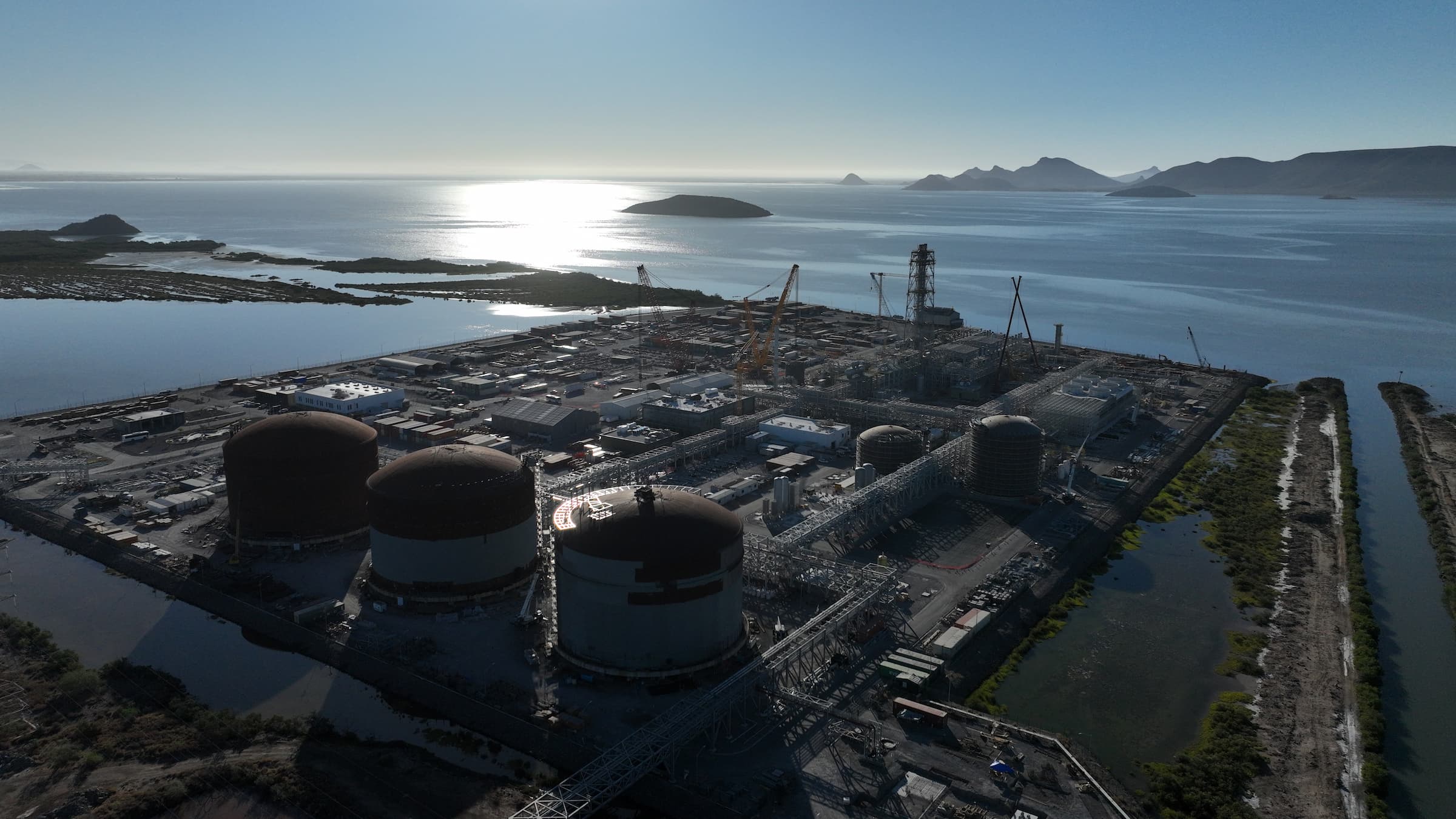
Proman GPO, part of the Proman family of companies, is currently building an ammonia plant in Topolobampo, Sinaloa, Mexico. This will reduce Mexico’s dependence on ammonia imports and provide a reliable domestic source of fertilizers for local farmers, strengthening Mexico’s food security.. Once operational, the plant will be the largest merchant ammonia plant in Latin America with a production capacity of 2,220 MT/day, creating 10,000 direct and indirect jobs, with 3,000 people already employed on site.
This FAQ addresses the most common questions about the project.
Environment and Location
Does the Proman GPO ammonia plant project affect a protected ecosystem, such as the Ramsar lagoon system?
The Santa María–Topolobampo–Ohuira lagoon system, located in Sinaloa, Mexico, has been designated a Ramsar wetland of international importance since 2009. Ramsar designation recognises the ecological importance of wetlands and promotes their conservation and sustainable use, but does not automatically prohibit productive activities. Economic activities such as fishing, ecotourism and maritime operations are already taking place within the Ramsar site, in addition to the existing infrastructure and productive activity in the surrounding area.
Both globally and nationally, various industrial projects have been approved within Ramsar sites, for example, in Argentina, the Netherlands, Germany and Mexico, provided they comply with regulations and environmental impact assessments, as is the case with this project.
This project was assessed and authorised by the Ministry of the Environment and Natural Resources (SEMARNAT), and we continue to work to the highest possible environmental standards as we move forward.
Is the Topolobampo ammonia plant project located within a protected natural area?
No. The Proman GPO ammonia plant project is situated 2 km from Isla de los Patos, which forms part of the nearest nature reserve. It is important to note that certain islands in Ohuira Bay form part of a protected nature reserve, but the bay itself does not.
Does the project help to mitigate climate change?
Yes. The Proman GPO ammonia plant project has been designed in accordance with sustainability principles and contributes to climate change mitigation. Key measures include:
-
Mangrove conservation: The project focuses on conserving the mangrove areas near the site. Mangroves can sequester carbon at rates up to ten times more than terrestrial forests.
-
Mangrove reforestation: Mangrove restoration activities are ongoing near the project site, supporting ecosystem conservation and carbon sequestration.
-
Domestic production: By producing fertilizers locally in Mexico, the project reduces the CO₂ emissions associated with transporting fertilizers over long distances from other countries.
Water, Pollution and Biodiversity
What measures is Proman GPO taking to protect Ohuira Bay?
The Proman GPO project involves the implementation of a series of environmental programmes, collectively referred to as the Environmental Management Plan (EMP), which have been approved by SEMARNAT and through which compliance with prevention and mitigation measures is monitored. These measures are focused on protecting the environment in which the Topolobampo project is situated, relating to water and air quality, and the protection of iguanas, mangroves, turtles and aquatic flora and fauna in general, during the Site Preparation, Construction and Operation phases of the project.
An example of the environmental care undertaken in the project is water management, which provides for the use of a wastewater treatment system incorporating scientifically-based technologies (filtration systems), thereby ensuring that discharges comply with the water quality standards set out in environmental regulations. In addition to this, continuous monitoring of wastewater will be carried out by certified laboratories to verify that its quality remains within permitted levels, without adversely affecting aquatic flora and fauna.
It is important to note that the water to be used for cooling the equipment does not come into contact with any chemicals, and that it will be treated; consequently, no pollutants or toxic substances will be discharged into Ohuira Bay.
Was Ohuira Bay already facing environmental challenges before the Proman GPO project?
Yes. There are historic sources of pollution in the bay stemming from urban wastewater, agricultural run-off and existing industrial infrastructure. It is with this in mind that the Proman GPO project plans to incorporate controls to prevent any further impact, thereby helping to improve these conditions.
Will the Proman GPO Topolobampo project affect local mangroves or wetlands?
Although there are no mangroves at the project site, the mangrove areas located in the vicinity of the project are continuously monitored in accordance with the Environmental Management Programme.
Prior to construction, an environmental assessment was carried out in June 2013 to identify the conditions, distribution and health status of the mangroves in the area. Furthermore, a vegetation sampling campaign was carried out in September 2013. At the end of 2013, staff from SEMARNAT and the Federal Attorney for Environmental Protection (PROFEPA – Procuraduría Federal de Protección al Ambiente) visited the site to verify the condition of the mangroves within the specific project area, confirming that there was no mangrove vegetation within the project footprint.
Mitigation and conservation measures have been implemented in the areas adjacent to the project, including a Mangrove Reforestation Plan and the monitoring of existing mangroves. Based on 21 monitoring campaigns carried out between 2015 and 2026, the results indicate that the mangrove is in a good overall state of conservation. In the mangrove areas near the project, we have ensured their conservation status and have supplemented these actions with the reforestation of a further 2 hectares in 2025 alone.
Will the Proman GPO ammonia plant project affect fishing or marine species in Ohuira Bay?
The project will not affect fish stocks, as no pollutants or toxic substances will be discharged into Ohuira Bay. It also incorporates science-based technologies, such as filtration systems, to reduce any potential impacts on larvae and aquatic species.
Furthermore, the plant is equipped with a wastewater treatment system, which ensures that all discharges comply with environmental regulations.
The Topolobampo ammonia plant project also includes a series of measures that will benefit local fishermen, such as support for the fishing communities in Ohuira Bay through various initiatives to strengthen their livelihoods, whilst also promoting more sustainable practices in the area. For example, last year we provided modern nets and fuel support at the start of the shrimp season, which helped to alleviate immediate cost pressures and enabled a more stable and productive season for local fishermen.
Alongside these investments, we are working with the cooperatives to reinforce shared commitments, helping to build a more resilient and coordinated local fishing sector.
Will the Proman GPO ammonia plant project use freshwater resources?
No. The project is designed to use seawater for cooling processes, avoiding any strain on freshwater resources intended for human or agricultural use once operational.
Industrial Safety
Will there be a risk of an ammonia leak at the ammonia plant once operational?
The project is being built in accordance with the highest global safety standards and international industry best practices, and includes multiple independent layers of protection, automated safety systems and continuous monitoring that meet international requirements for the safe design, construction and operation of world-class facilities.
The project has been authorised and endorsed by the institutions responsible for regulating environmental and industrial compliance, including:
-
SEMARNAT – Ministry of the Environment and Natural Resources
-
ASEA – Agency for Safety, Energy and the Environment
-
STPS – Ministry of Labour and Social Welfare
-
Civil Protection
-
COFEPRIS – Federal Commission for Protection against Health Risks
-
SICT – Ministry of Infrastructure, Communications and Transport
Proman GPO has complied with all the requirements set by these authorities throughout the design, construction and future operation of the plant, in order to ensure the safety of local communities and the environment.
Have risks such as hurricanes or earthquakes been considered in the design of the Proman GPO ammonia plant project?
Yes. These factors are fully incorporated into the design and operation of the project, supported by a robust infrastructure and specific emergency response plans.
Emissions and Sustainability
What will happen to the emissions released into the atmosphere?
According to the Mexican Ministry of the Economy, Mexico imports approximately 80% of the ammonia it consumes. The GPO ammonia plant in Topolobampo will reduce imports, providing a local source of fertilizers for farmers in Sinaloa and other parts of the country. This will also avoid the CO₂ emissions associated with importing these products from abroad.
Additionally, CO₂ generated during the production process will be captured and reused as a by-product in industrial processes, thereby reducing its impact.
Human Rights and Communities
How does Proman GPO ensure that the rights of local communities are respected?
We have involved local communities throughout the design and construction phases of the project. Through Mexico’s Ministry of the Interior, a consultation – the ‘Citizen Participation Exercise for the Topolobampo Fertilizer Plant, – was conducted to gauge the views of residents in the municipalities of Ahome, Guasave and El Fuerte, and to allow them to express their opinions on the project.
The consultation was held on 28 November 2021, with the following results:
-
75.61% in favour
-
23.65% against
-
0.73% invalid votes
Was there a consultation with indigenous peoples?
Yes. A consultation with Mayo-Yoreme Indigenous communities was completed in 2022 in accordance with ILO Convention No. 169, as required by the Mexican Supreme Court, and validated by the competent District Courts and Circuit Courts of Appeals. This resulted in consent for the project from 80% of the participating communities.
Does the Proman GPO project affect indigenous territories?
No. Specialist technical studies concluded that the Proman GPO Topolobampo plant project has no direct impact on the land or resources of neighbouring indigenous communities.
Social and Economic Impact
What are the economic and social benefits of the Proman GPO ammonia plant project?
The Proman GPO project in Topolobampo will be a major source of fertilizers for local farmers, reduce reliance on imported fertilizers, strengthen Mexico’s food security, and provide jobs and opportunities for local workers and businesses. The benefits include:
Employment opportunities and skills development:
-
10,000 direct and indirect jobs created (according to the Mexican Ministry of Economy) 3,000 people are already employed on site during the construction phase and the Ministry estimates 7,000 indirect jobs will be created among service providers, transporters and local businesses.*
-
98% of employees currently on site are Mexican nationals, with 59% from Sinaloa,, including members of the Mayo-Yoreme indigenous communities and residents of nearby villages
-
Opportunities for local suppliers and service providers to strengthen local supply chains
-
Investment in technical training and skills development via collaboration with the Institute of Training for Work of the State of Sinaloa (ICATSIN), which will provide courses for over 3,700 people.*
-
Support to key sectors such as fisheries and agriculture
Community investment:
-
More than 225,000 people have benefited from Proman GPO’s community initiatives to date in more than 80 localities and 17 indigenous communities.
-
US$ 2 million allocated to community investments in infrastructure, health, sport, and education including in the communities of Ohuira, Lázaro Cárdenas, Paredones and Topolobampo.* US$1.6m already invested between 2015 to 2025.
Proman GPO maintains a positive and ongoing dialogue with local indigenous communities, many of whom have welcomed the jobs and international investment that the project will bring to the area.
Why is the Proman GPO Topolobampo project important for Mexico?
The project will be a major local source of fertilizers used in local agriculture, which will reduce dependence on imported fertilizers and strengthen Mexico’s food security.
Governance and Regulatory Compliance
Does the Proman GPO ammonia plant project comply with Mexican and international law?
Yes. The Proman GPO ammonia plant project in Topolobampo holds all necessary environmental, social, and regulatory permits at all levels of government — federal, state, and municipal. The project also complies with international standards, reflecting the requirements of its financing structure and the best practices of Proman’s global operations.
For further information about the Proman GPO ammonia plant project in Topolobampo, Sinaloa, Mexico, please visit our About Us or Sustainability pages, or contact us directly at info.gpo-mexico@proman.org.